A Proposal
As I hang up the phone after answering yet another “junk” phone call I find myself thinking, in line with a once common phrase, “if only I had a dime for every one of these phone calls…”. Instead of letting that thought pass, I asked myself, “Why shouldn’t I receive something for answering a phone call?” The caller has either interrupted me, if I answered the call in person, or at least gotten a piece of my attention when I listened to their message. In both cases this costs me something, time, and is worth something to the caller. Why shouldn’t they pay me for this?
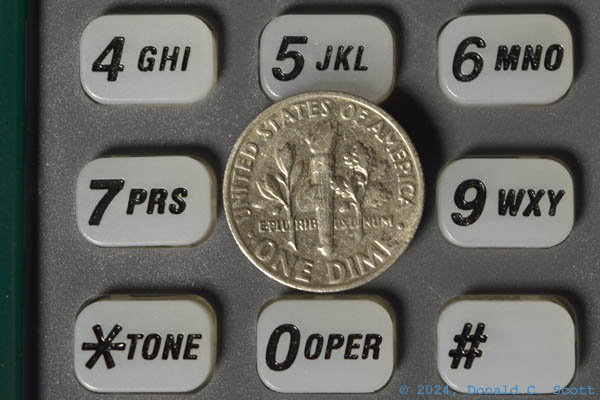
With this in mind, I propose that for any completed phone call there be a fee charged to the caller and credited to the recipient. The fee should be small enough to not deter someone from calling for a meaningful reason, but large enough to make mass nuisance calling unattractive – 10¢ sounds about right to me. This equates to paying the recipient for 36 seconds of their time, at a rate of $10 per hour. If the call isn’t worth a dime to the caller, why should I be bothered with it?
Nuisance calls are characterized by each individual call being of little value to the caller. Whether they are pitching a scam, a legitimate product/service, or a political candidate, a given call has very little chance of offering a payoff. This type of calling has proliferated because technological improvements have reduced calling costs. But the cost of fielding phone calls remains about the same, and has been ignored up till now.
The system is out-of-balance, with the caller not paying fully the cost of their actions. The fix is to put those costs where they belong. Instead of fighting the battle with call filtering, call blocking, or no-call lists, all of which put the onus on the recipient, having the caller pay the recipient applies economically-justifiable pressure at the call’s source. Because the caller’s added costs go to the recipient, this proposed change amounts to a zero-sum game and overall phone service costs will not increase. Excluding “junk” calls, many people probably originate about as many calls as they receive, and thus would see little change in their phone costs. To the extent that nuisance calling persists after this pay-the-recipient model is implemented, any excess of calls received will reduce their costs.
I don’t know for certain where this change would lead, but I’d be happier answering the phone if I were being compensated for it. Having the caller pay the recipient simply reflects the reality that it costs something to answer the phone. If we let costs be properly borne by the responsible party, economic forces should prune out the low-value nuisance calls.
 dcs995